


Gerold Miller
20 Mar. – 02 May 2026

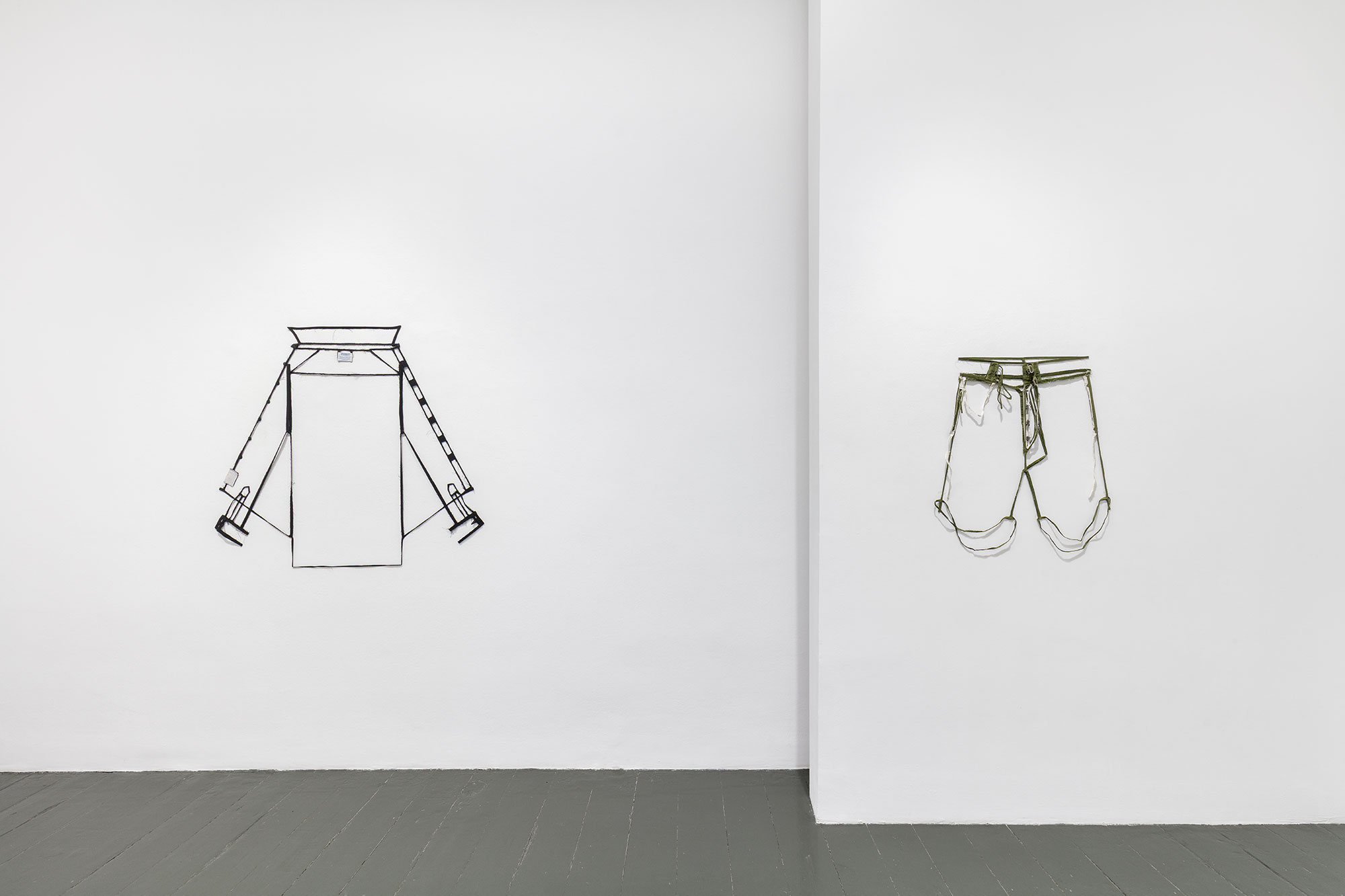
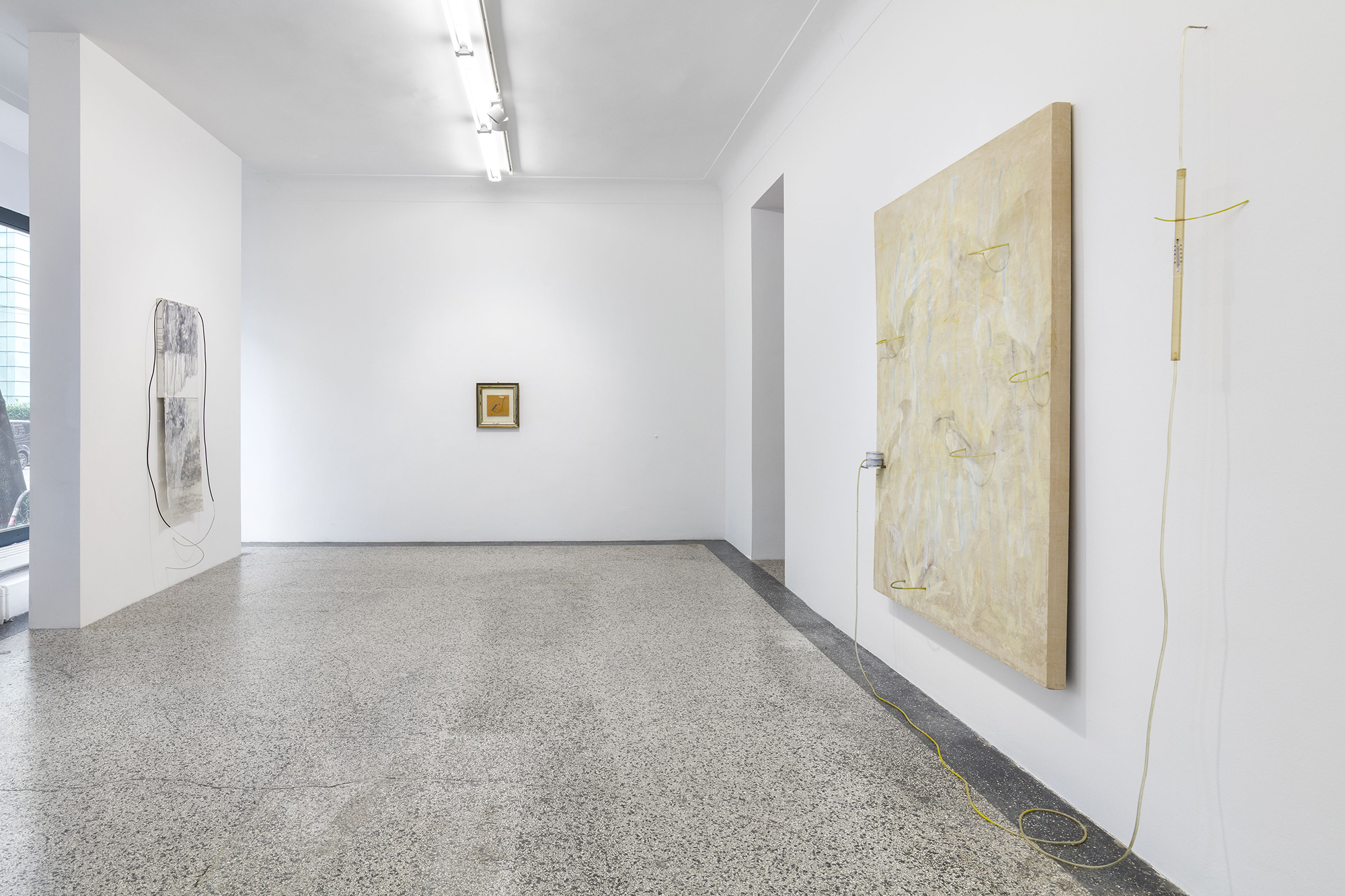
Something Old, Something New, Something Borrowed – the title alludes to an English idiom that traditionally symbolises good luck, memory and a new beginning. This is precisely what this exhibition is about. Both artists work with existing materials. They appropriate, alter, reduce and shift meanings. Nothing comes from nothing. The old is not replaced, but transformed. What remains are traces of its history – and, at the same time, something radically new.
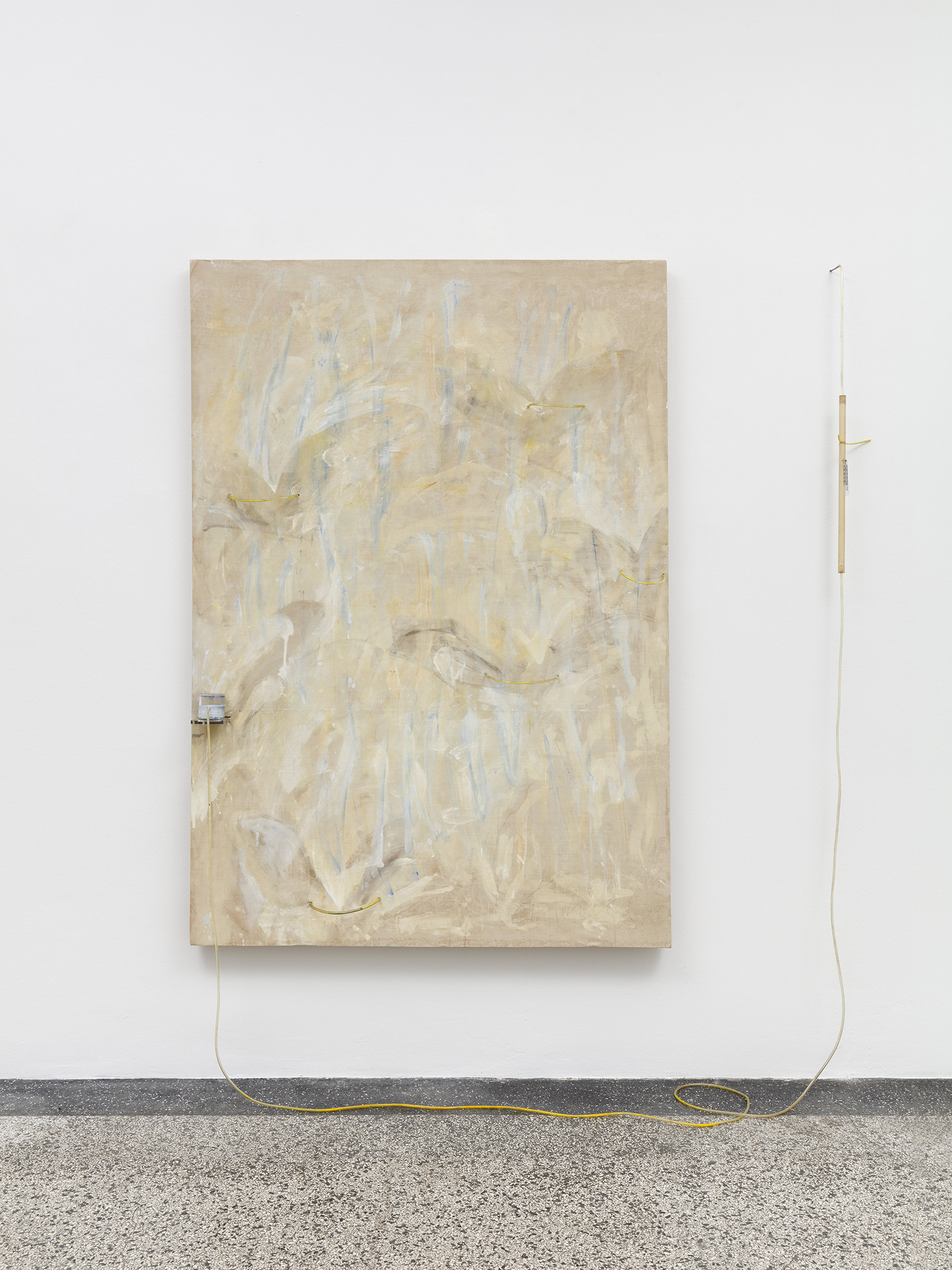
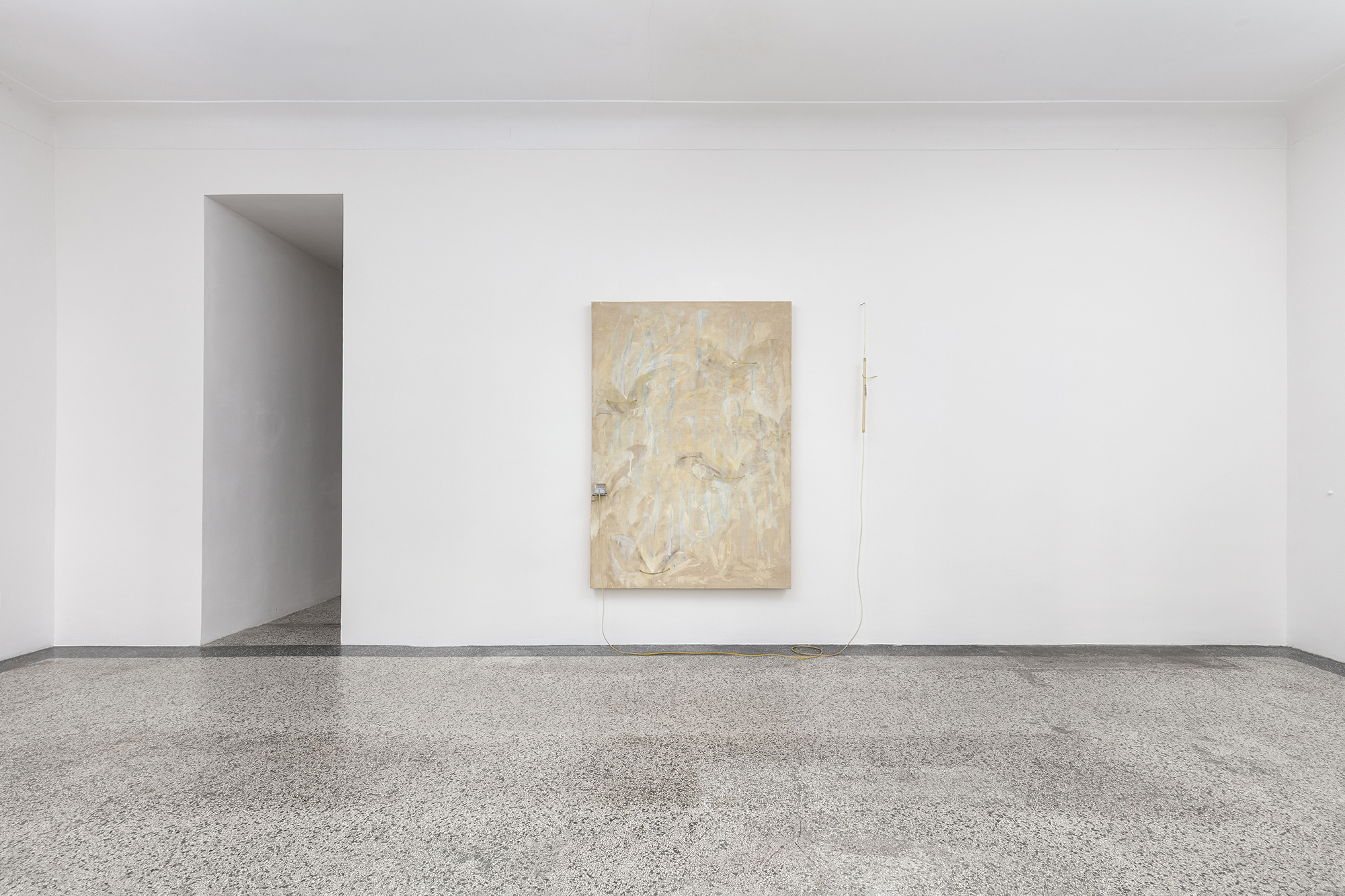
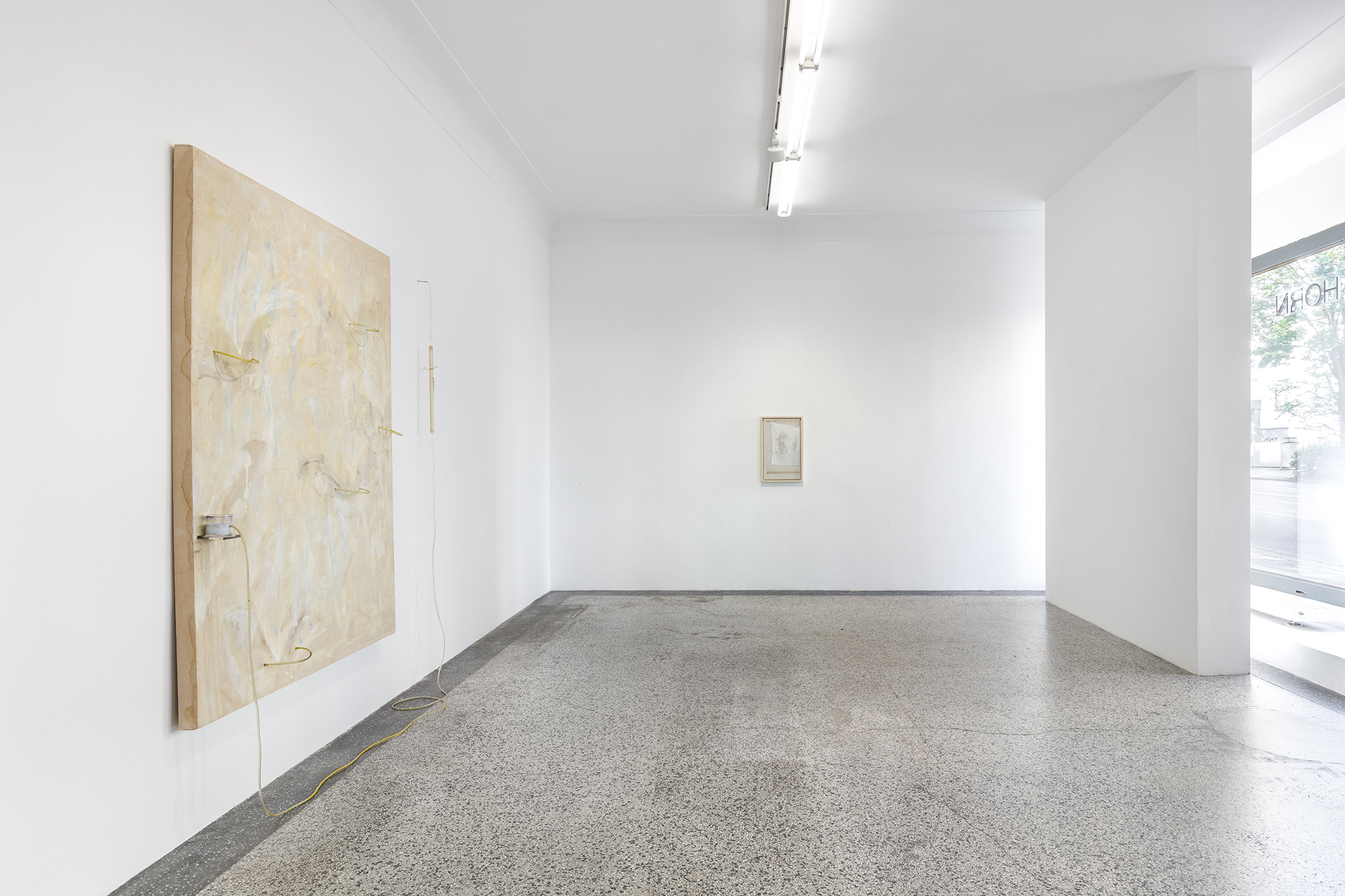
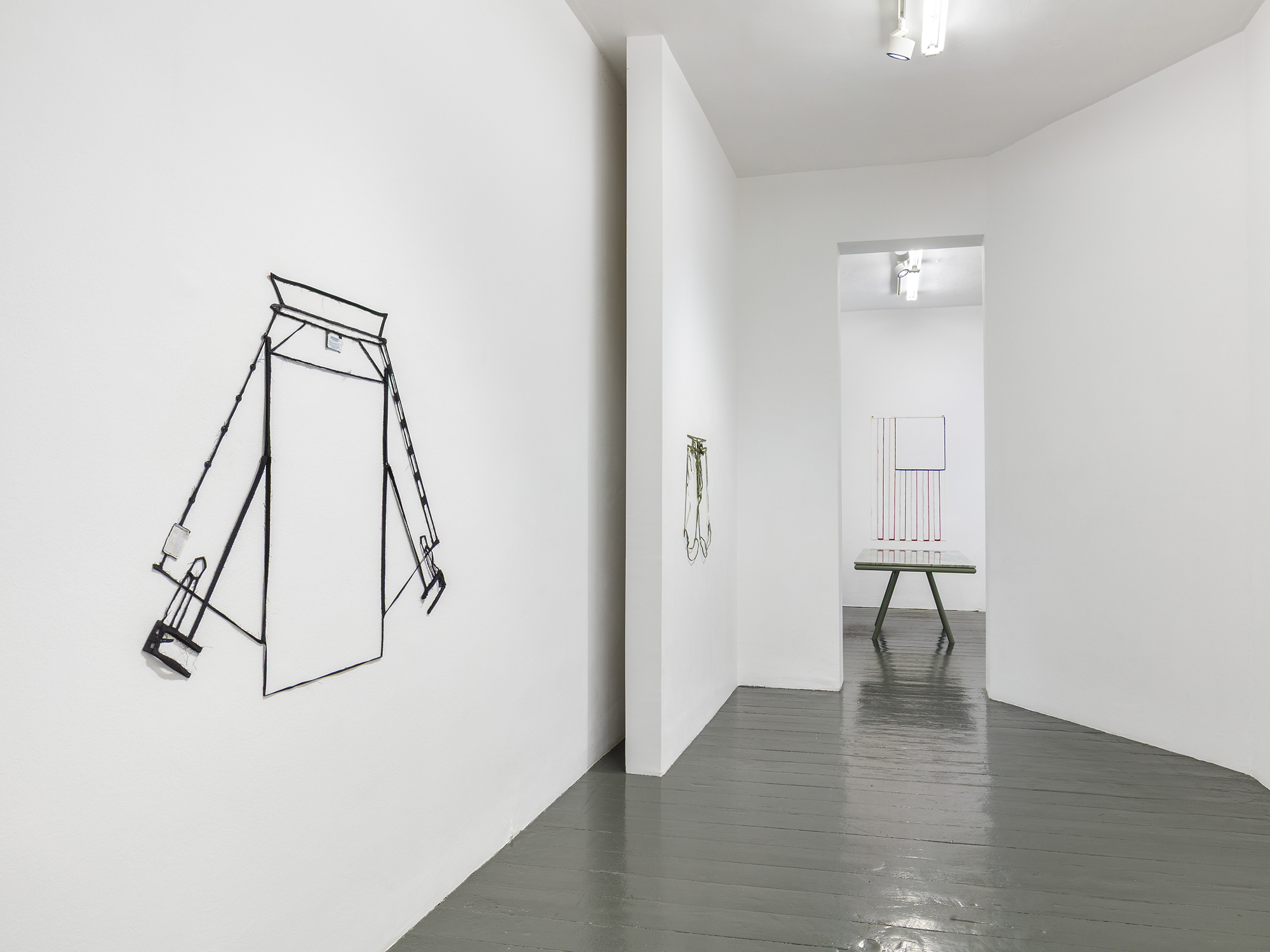
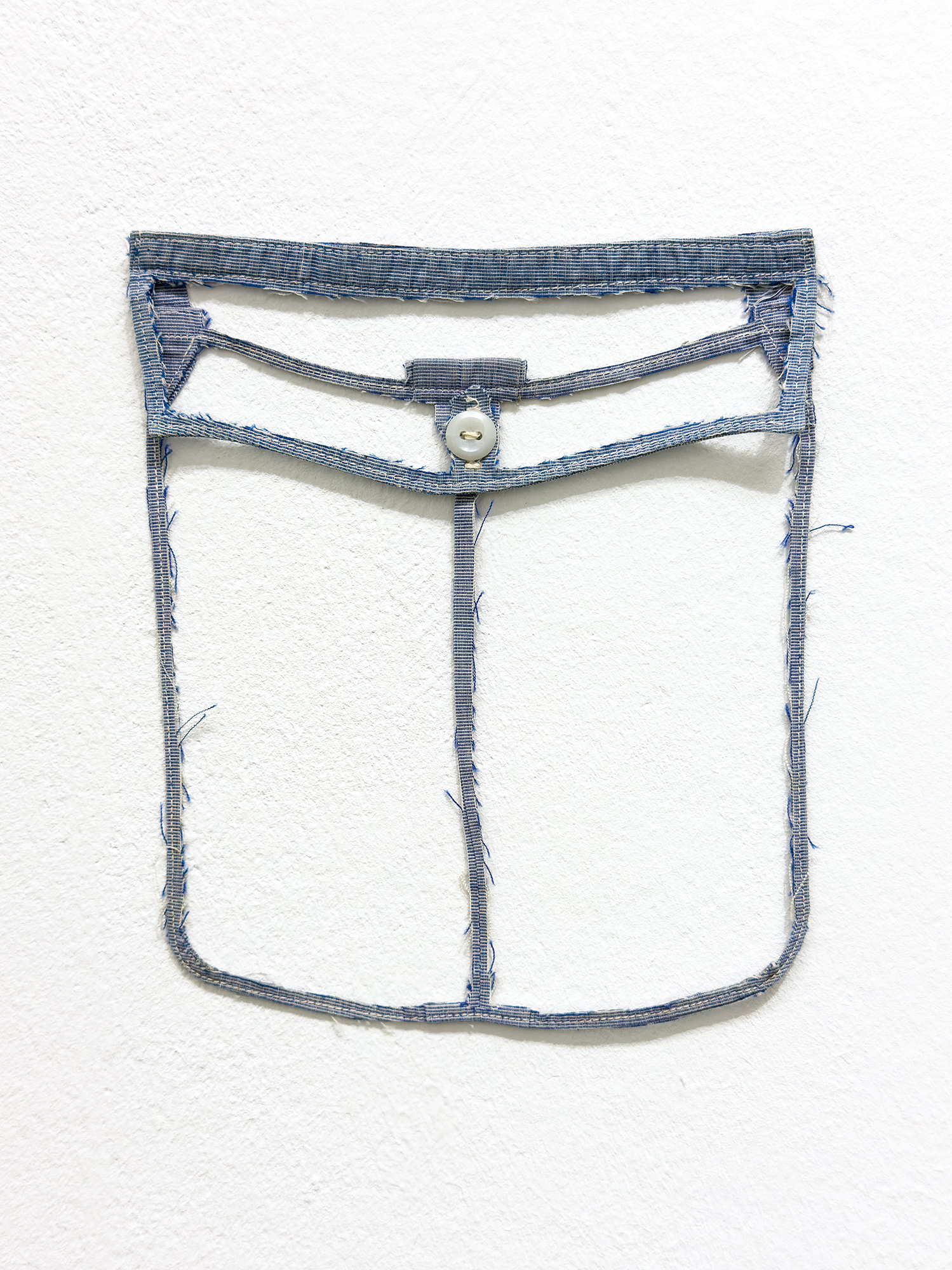
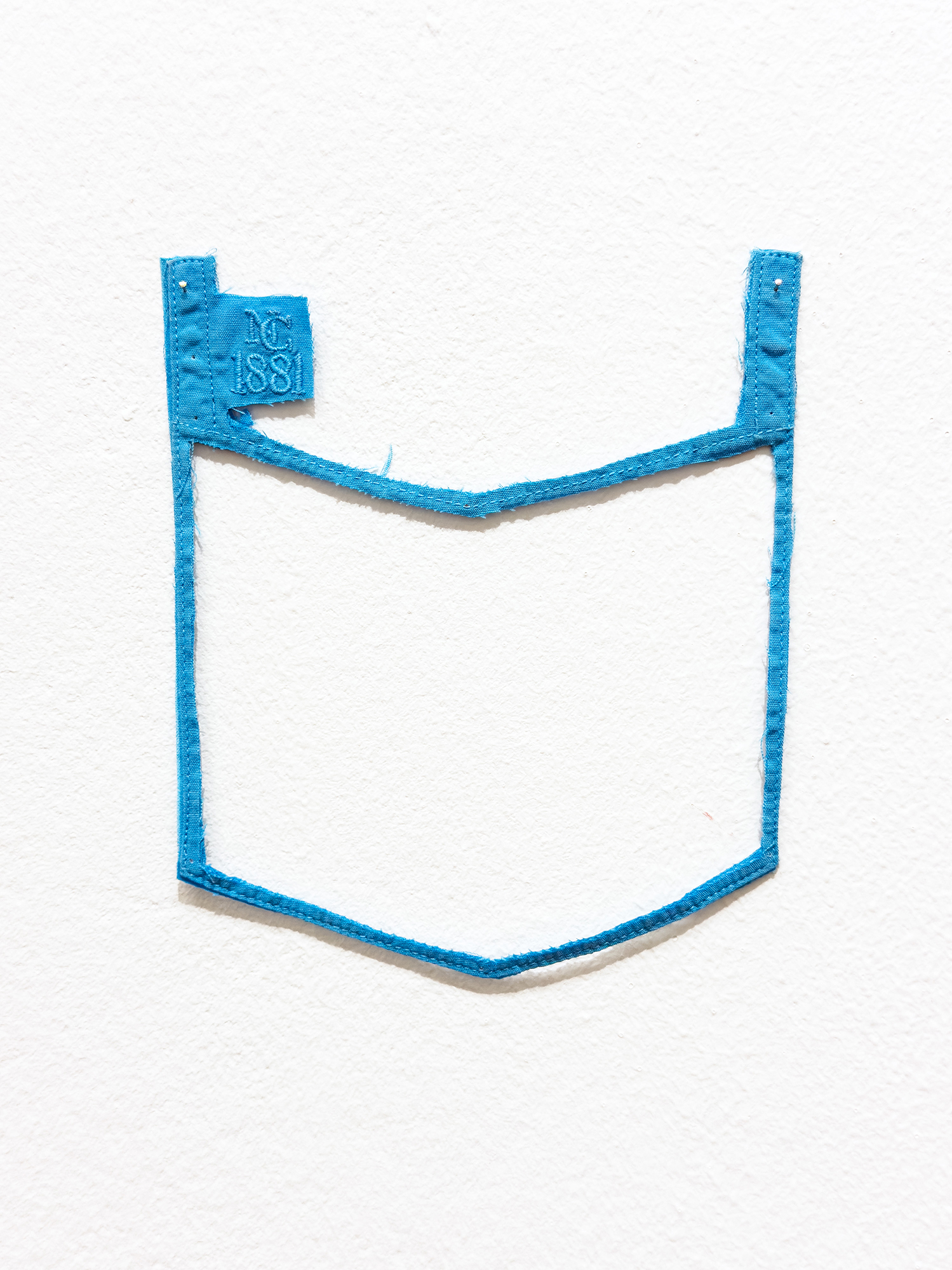
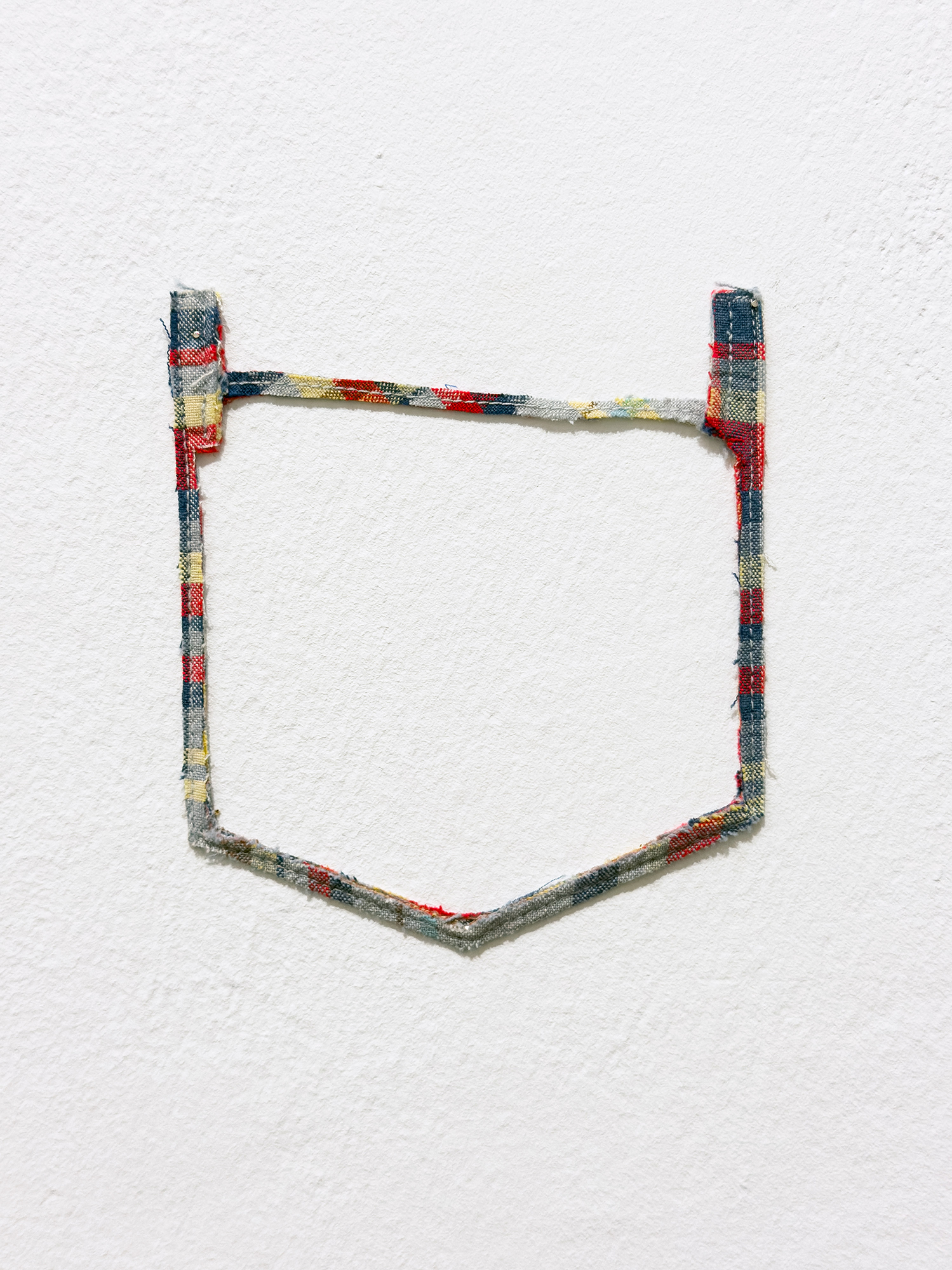
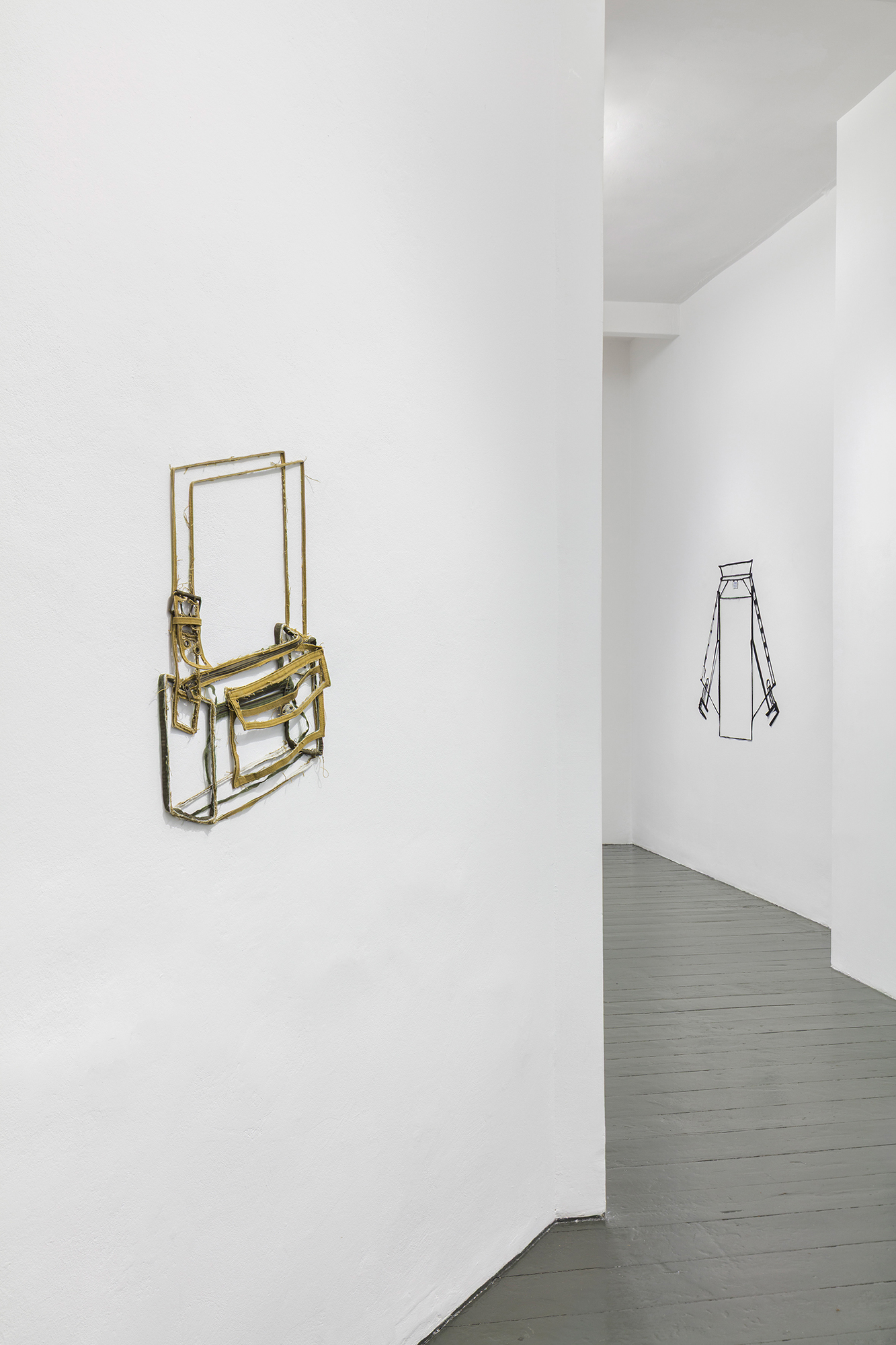
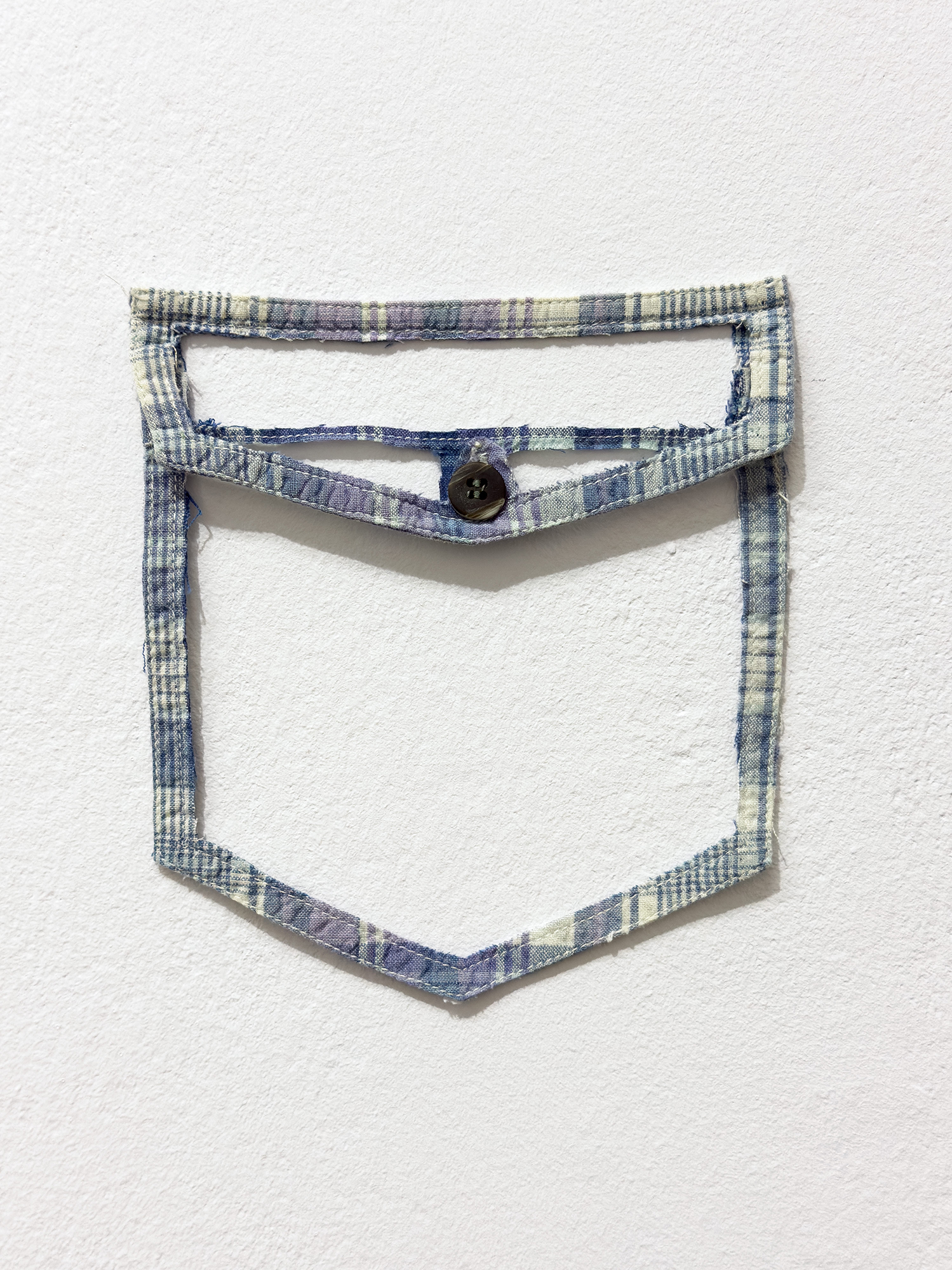
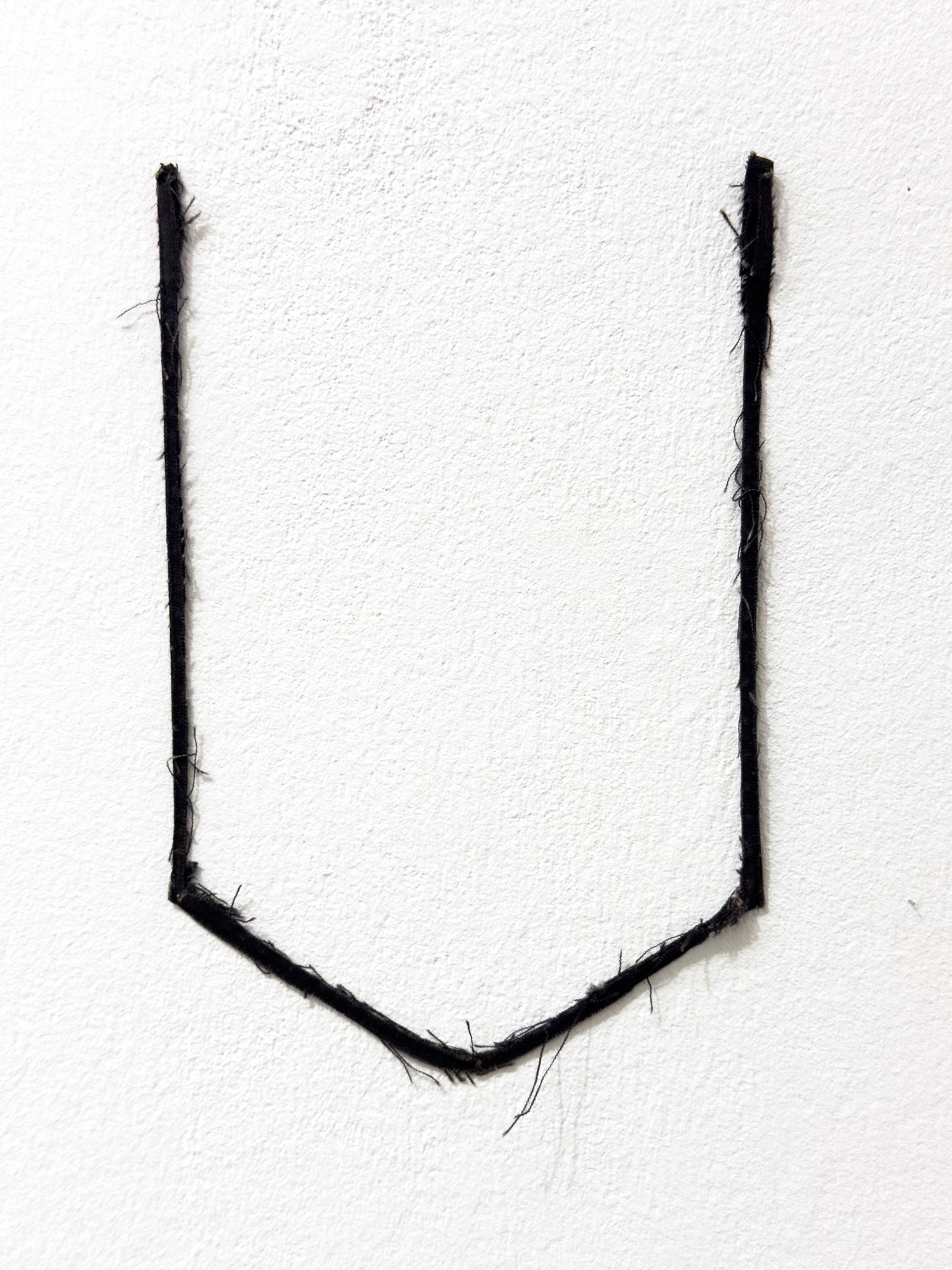
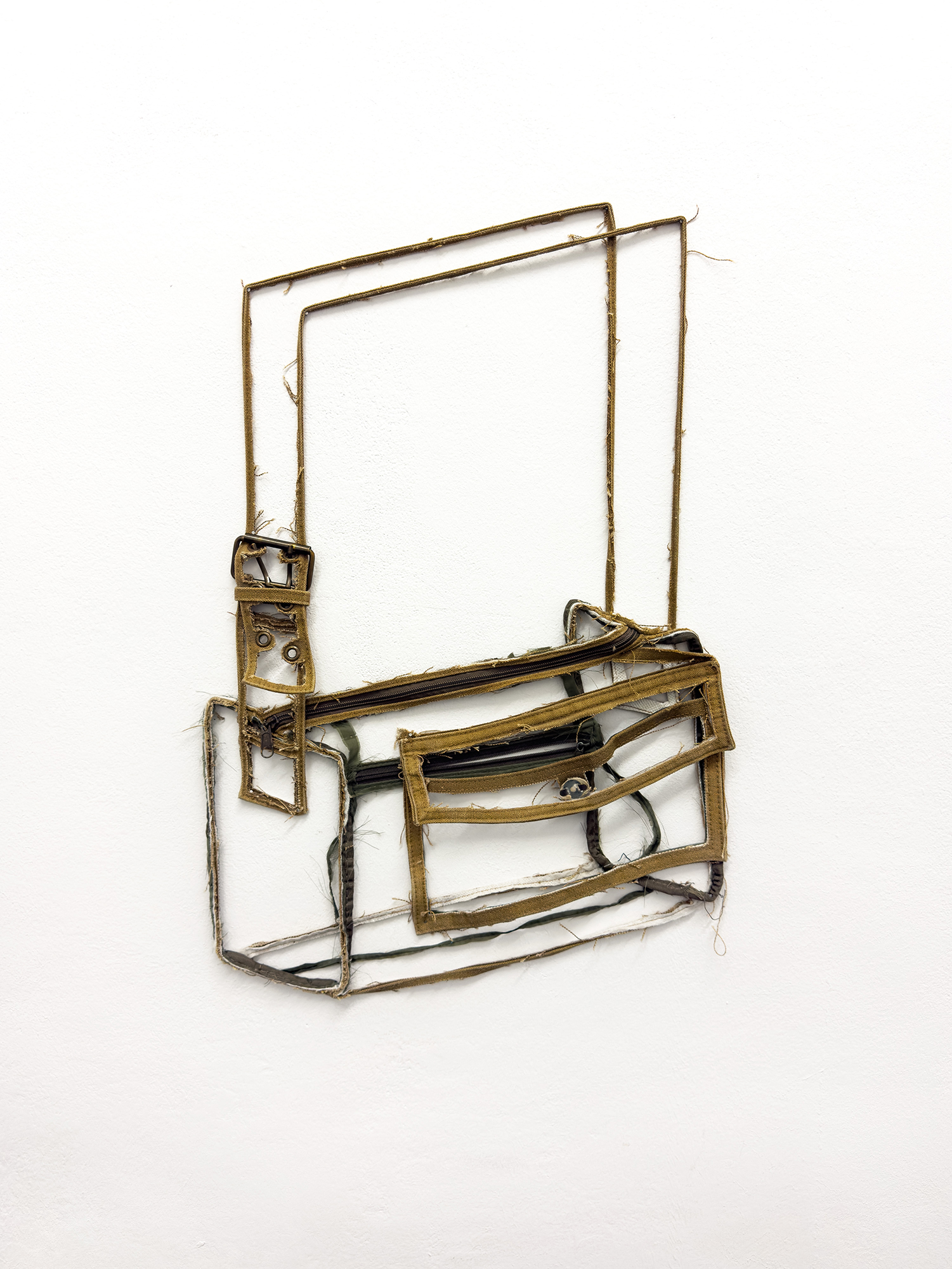
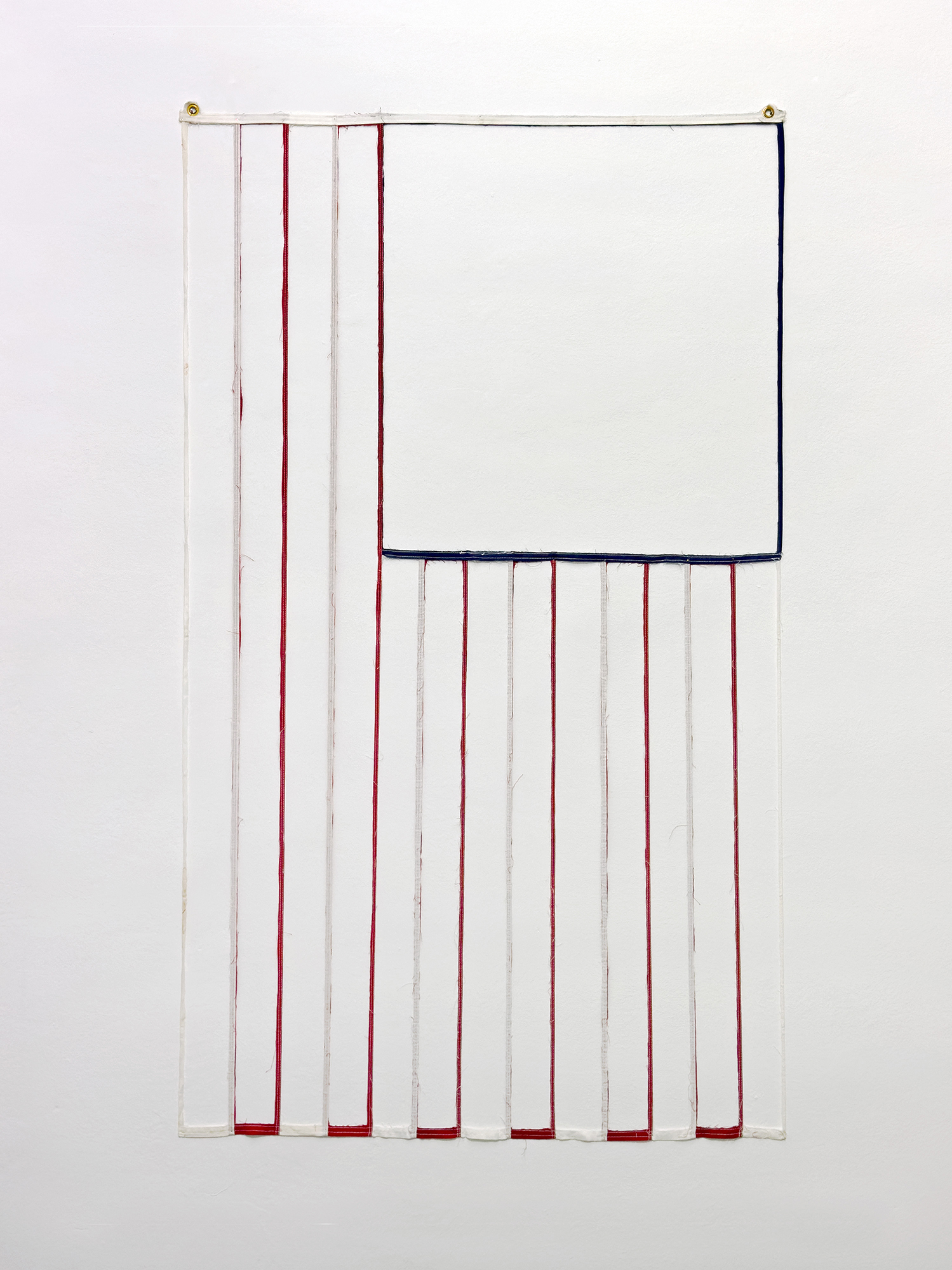
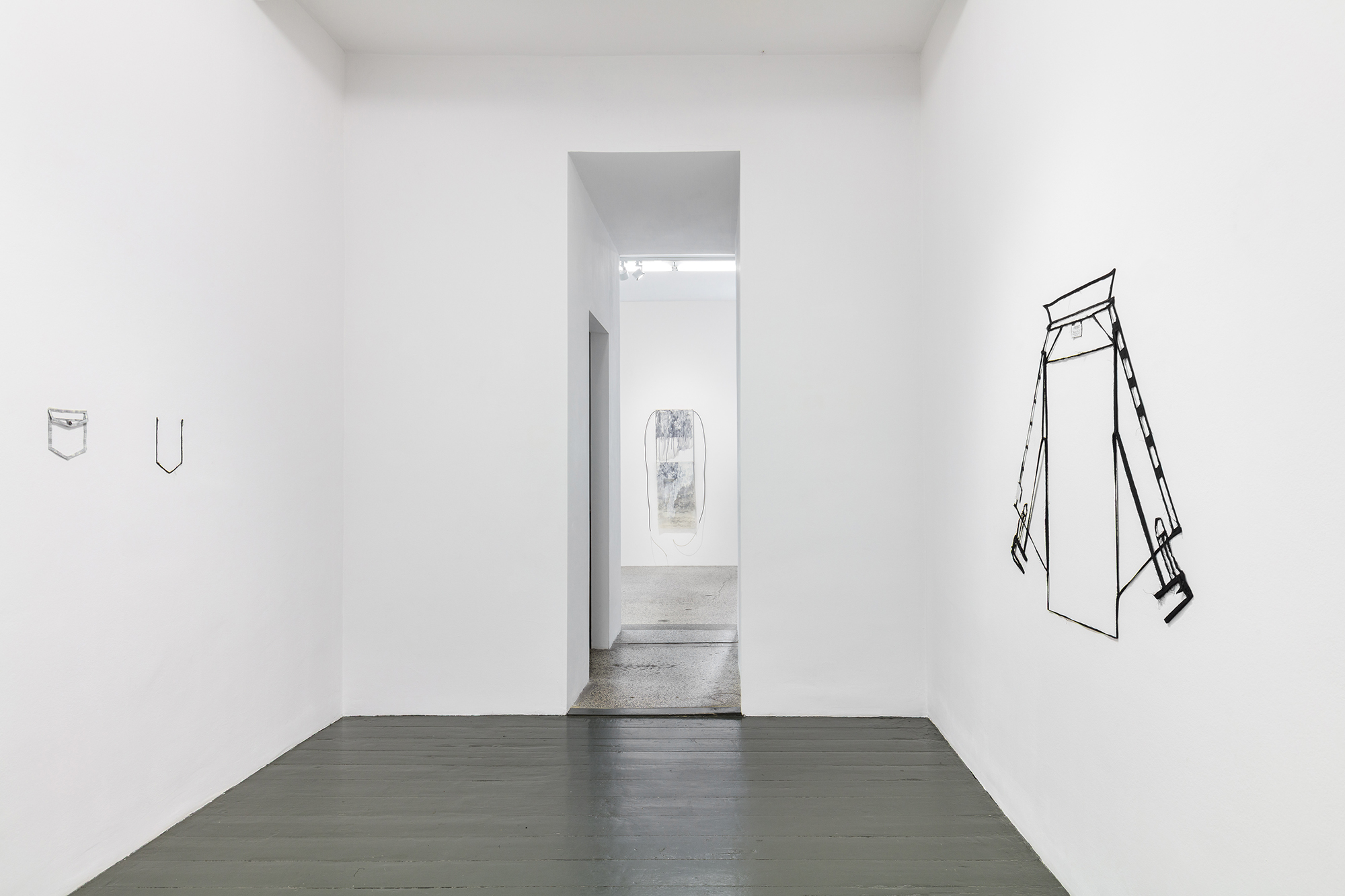
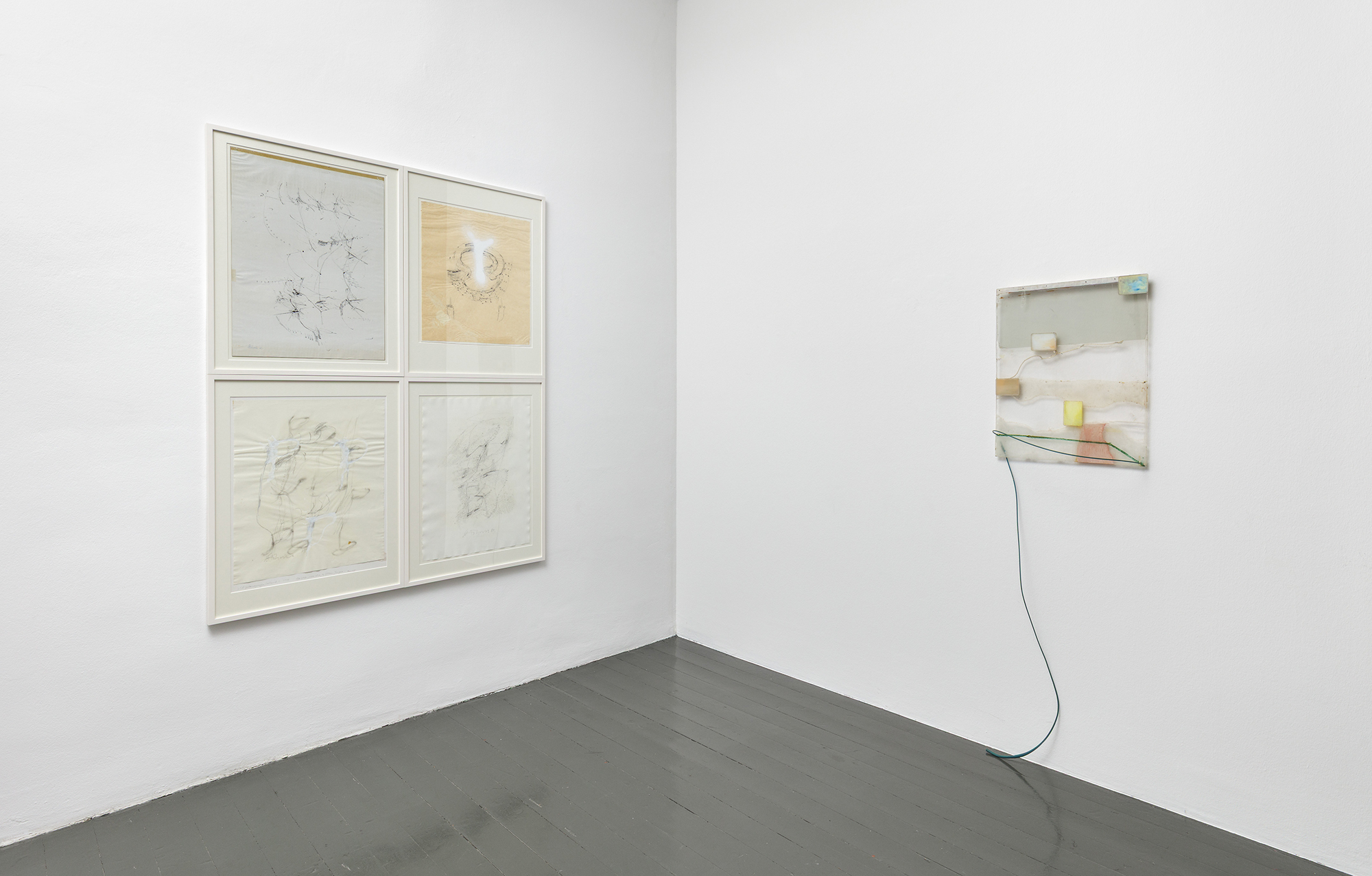
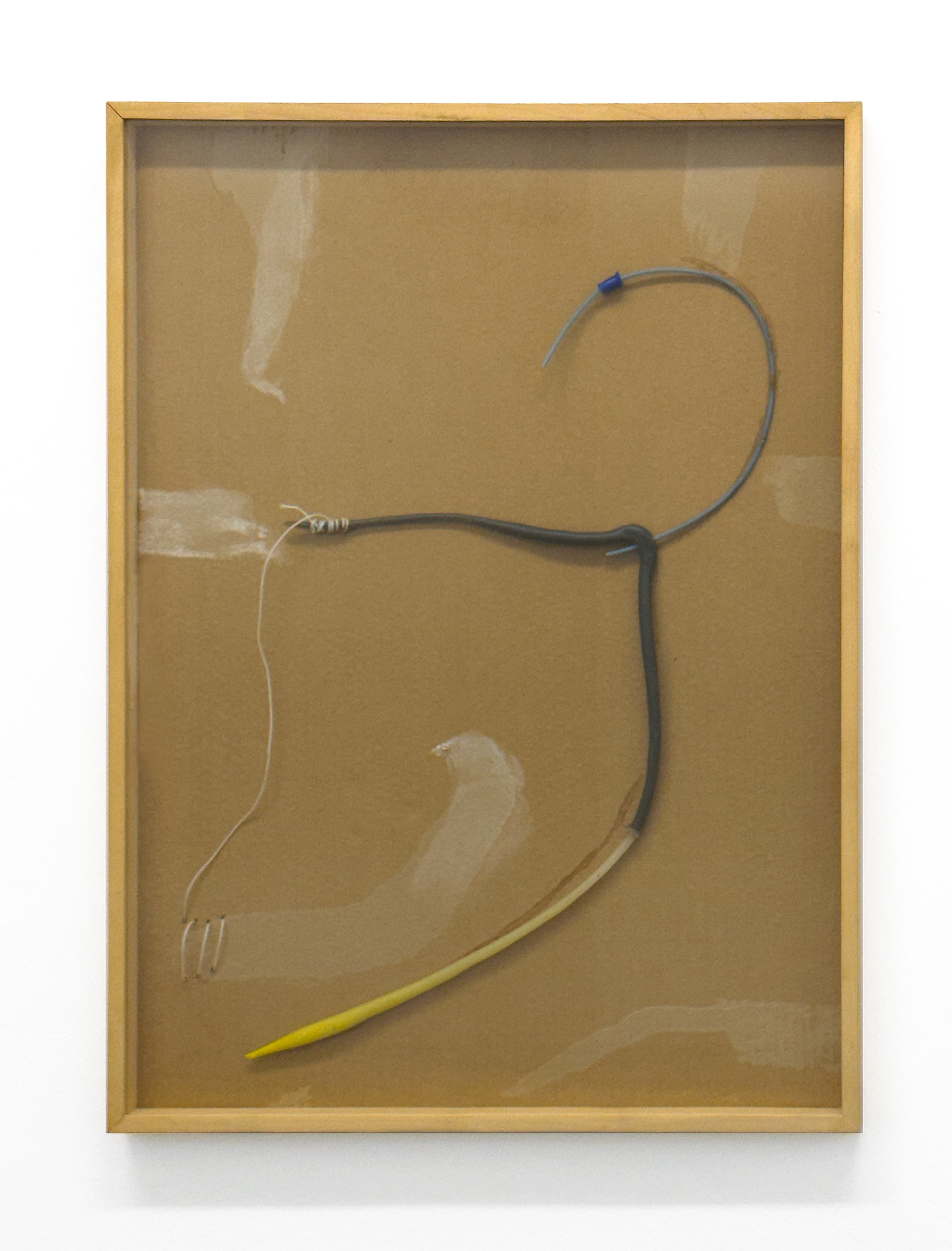
For the first time, the works of Pip Culbert (1938–2016) and Gerhard Hoehme (1920–1989) come together in a joint exhibition. At first glance, their works appear to have little in common. Culbert works with shirts, bags, tents or fabrics, whilst Hoehme works with paint, string and plastic tubing, alongside the corresponding drawings. Yet both are united by a similar artistic approach: they remove materials from their original context and grant them a new existence. The focus is not on the object itself, but on its structure, its tension and its relationship to space.
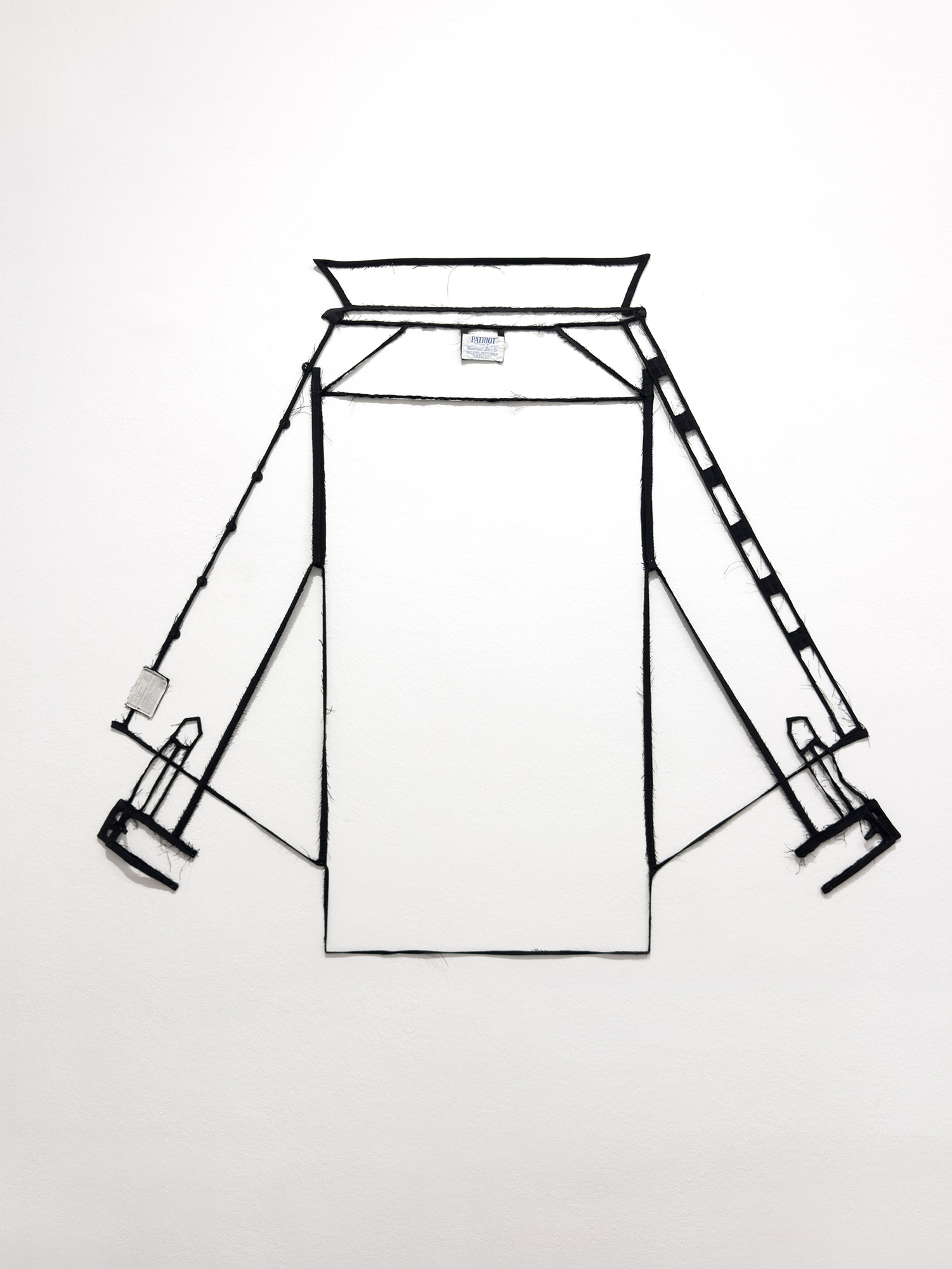
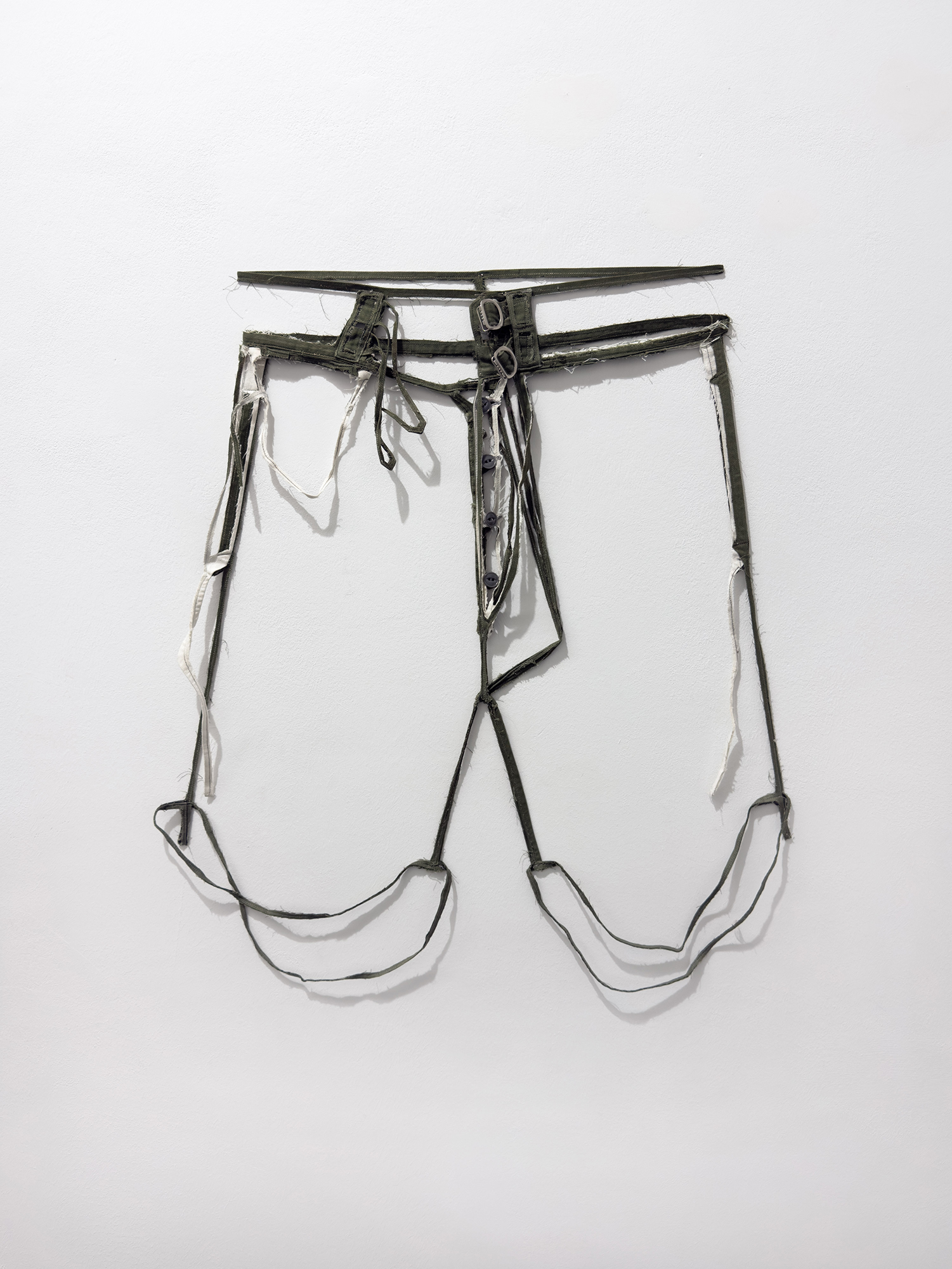
Pip Culbert consistently removes everything superfluous. What remains of garments are seams, lines and fragile frameworks. What was once functional becomes an open drawing in space. She herself describes this process as deconstruction and reconstruction: “I began cutting away the fabric from found garments, tarpaulins and so on, to leave the seams in place. […] The destruction of the fabric object gives rise to the need for a system, although chaos in itself tends towards structure.”
Her works straddle the boundaries between sculpture, drawing and architecture. They invert the inside and the outside, reveal what is hidden and challenge our notions of what constitutes the ‘right’ or ‘wrong’ side of an object.
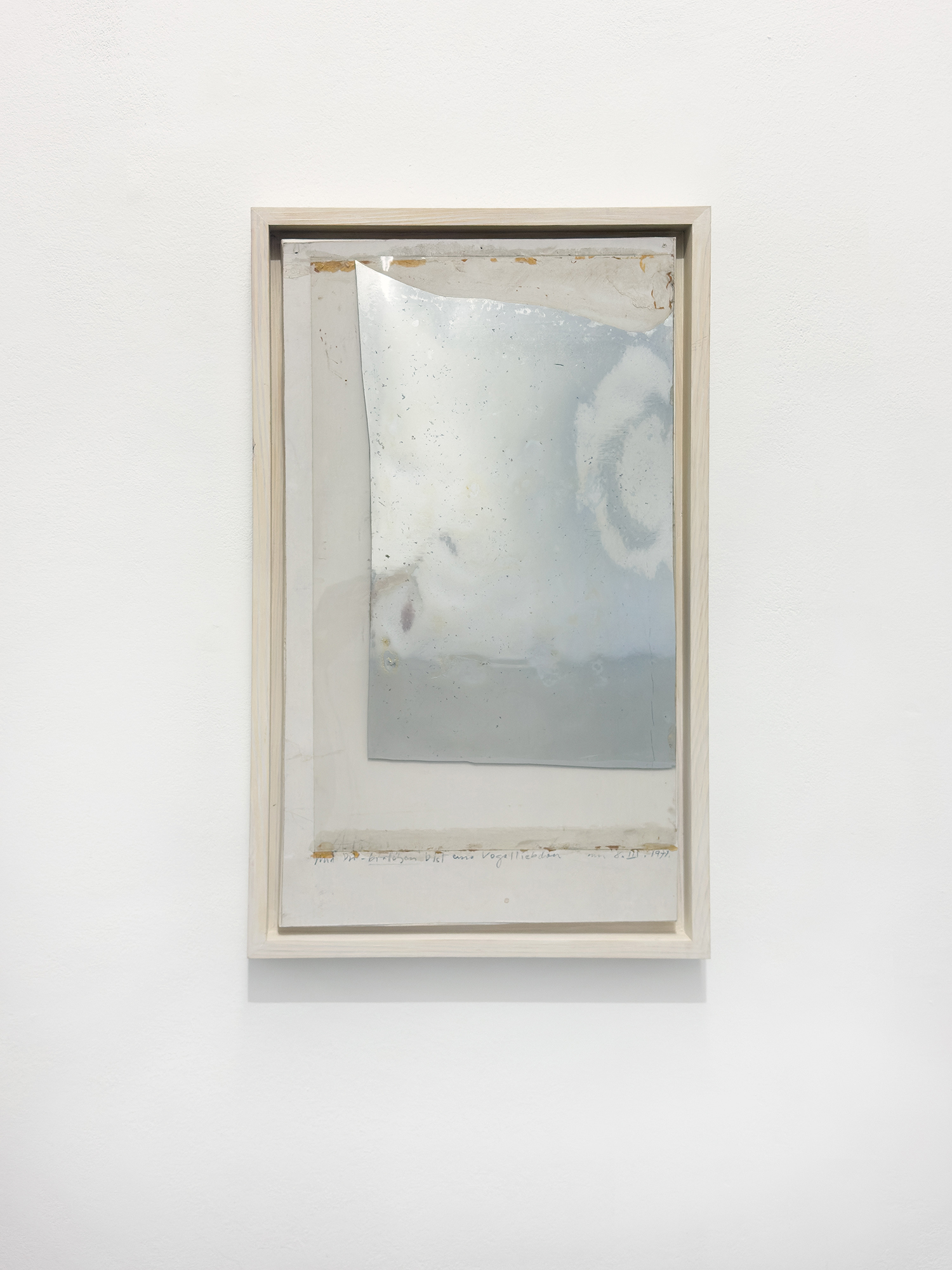
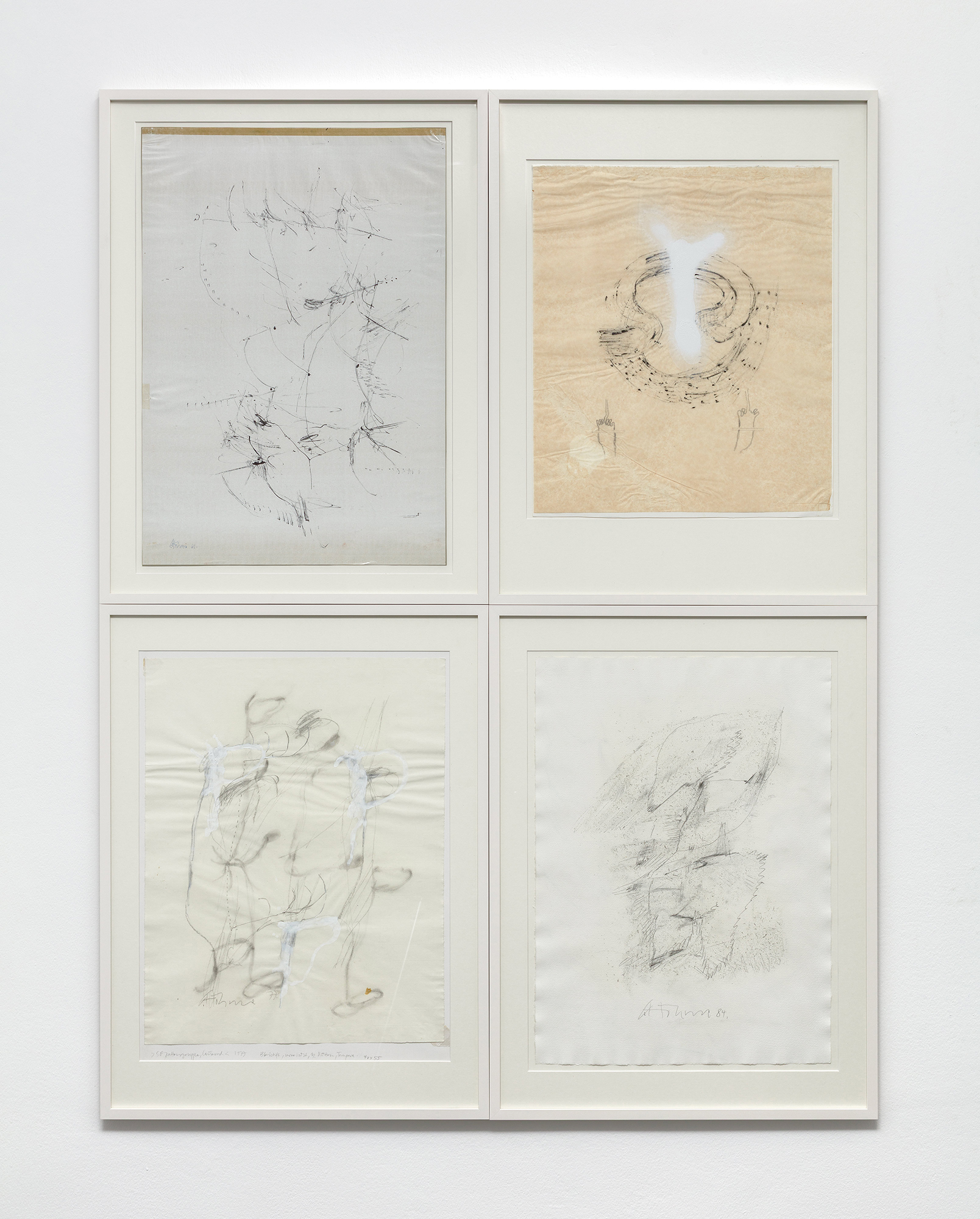
Gerhard Hoehme, too, never viewed the picture as a self-contained surface. From the late 1950s onwards, he increasingly liberated painting from its frame and developed works that extend into the space. Strings, tubes and other materials become lines that connect the picture with its surroundings. Hoehme understood his works as open fields of energy, whose meaning only emerges in the relationship between the work, the space and the viewer. His drawings play a special role in this context. They are not preparatory sketches, but independent works in which his artistic thinking is directly evident. With just a few lines, Hoehme develops complex spatial relationships and tensions. Here, the drawing does not merely describe a space – it creates it.
It is precisely in this that the affinity with Pip Culbert lies. Both artists consistently transcend the boundaries between painting, sculpture and object. Culbert transforms a seam into a drawing in space. Hoehme transforms a drawing into a space. Both reduce rather than add. What emerges in her work from seams and fabric edges, Hoehme develops using pencil, ink, paint or string. Both work with lines that do not delimit but connect. Both create open systems that extend beyond the artwork into the space and into the viewer’s perception.
The exhibition is therefore not intended as a juxtaposition of two positions, but as the discovery of an unexpected kinship. Although Pip Culbert and Gerhard Hoehme belong to different generations and cultural contexts and never met, they are united by an artistic mindset that remains remarkably relevant to this day.
The exhibition is realised with the kind support of a major private collection, Meerbusch, and FoxJensenMcCrory, the estate of Pip Culbert, New Zealand.
Photos J. Bendzulla & D. Steinfeld, VAN HORN, Düsseldorf 2026
GEROLD MILLER | GALLERY EXHIBITIONS
20 Mar. – 02 May 2026
1 Sep. – 20 Oct. 2023
31 Oct. 2020 – 4 Mar. 2021